

From the misty hills of Munnar, KDHP has grown over a century blending tradition with innovation. Rooted in heritage yet guided by progress, we continue to shape the future of tea. Every step forward is a commitment to the communities we proudly serve
ROOTS OF A TIMELESS LEGACY
A legacy born in the 19th century, preserved through generations and rooted in the land that shaped it.
1877
JOHN DANIEL MUNRO
John Daniel Munro, an officer of the Independent Kingdom of Travancore and designated Superintendent of the Cardamom Hills, makes an application to the Poonjar Chief for the grant of the property called Kanan Thevan Anchanatu Mala on payment and obtains from the Raja the first Pooniat Concession Deed.
1880
THE FIRST TEA IS PLANTED
The first tea is planted in Parvathi Estate (a part of today’s Sevenmallay Estate) by A. H. Sharp.
1896
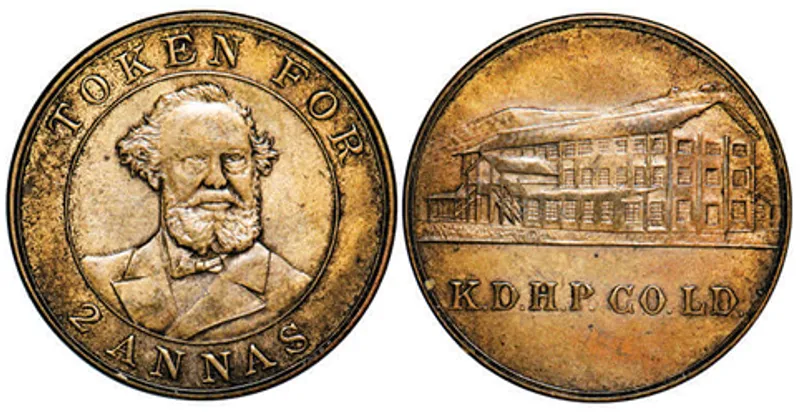
KANNAN DEVAN HILLS PRODUCE COMPANY
The Kanan Devan Hills Produce Company is formed in the Kanan Devan Concession territory. Estates outside the Concession territory but within the High Range are owned by the Anglo-American Direct Tea Trading Company, also a subsidiary company of Finlay Muir & Co. Ltd.
1900
FIRST HYDRO-ELECTRIC POWER HOUSE
The Kanan Devan Hills Produce Company constructs the first Hydro-electric Power House at Pullivasal – one of the first in India. In the same year the Korangani – Top Station ropeway was also established to transport goods from the plains to the Hills and tea to the plains in turn.
1908
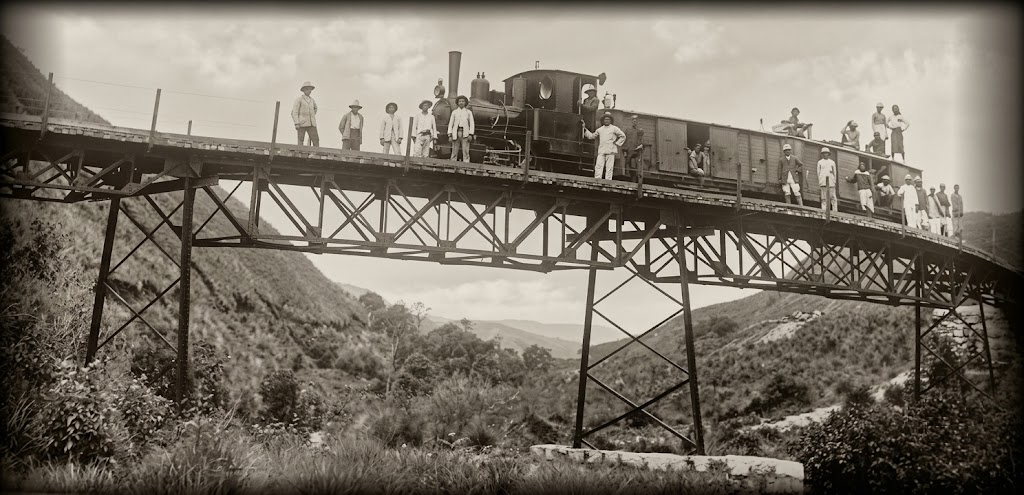
Kundale Valley Light Railway
The mono-rail was replaced by a light railway, All the equipment was imported from the UK and brought up to Munnar in pieces to be assembled locally by the Company’s Engineering Department. The Railway Station in Munnar is the present head office of KDHP
1915
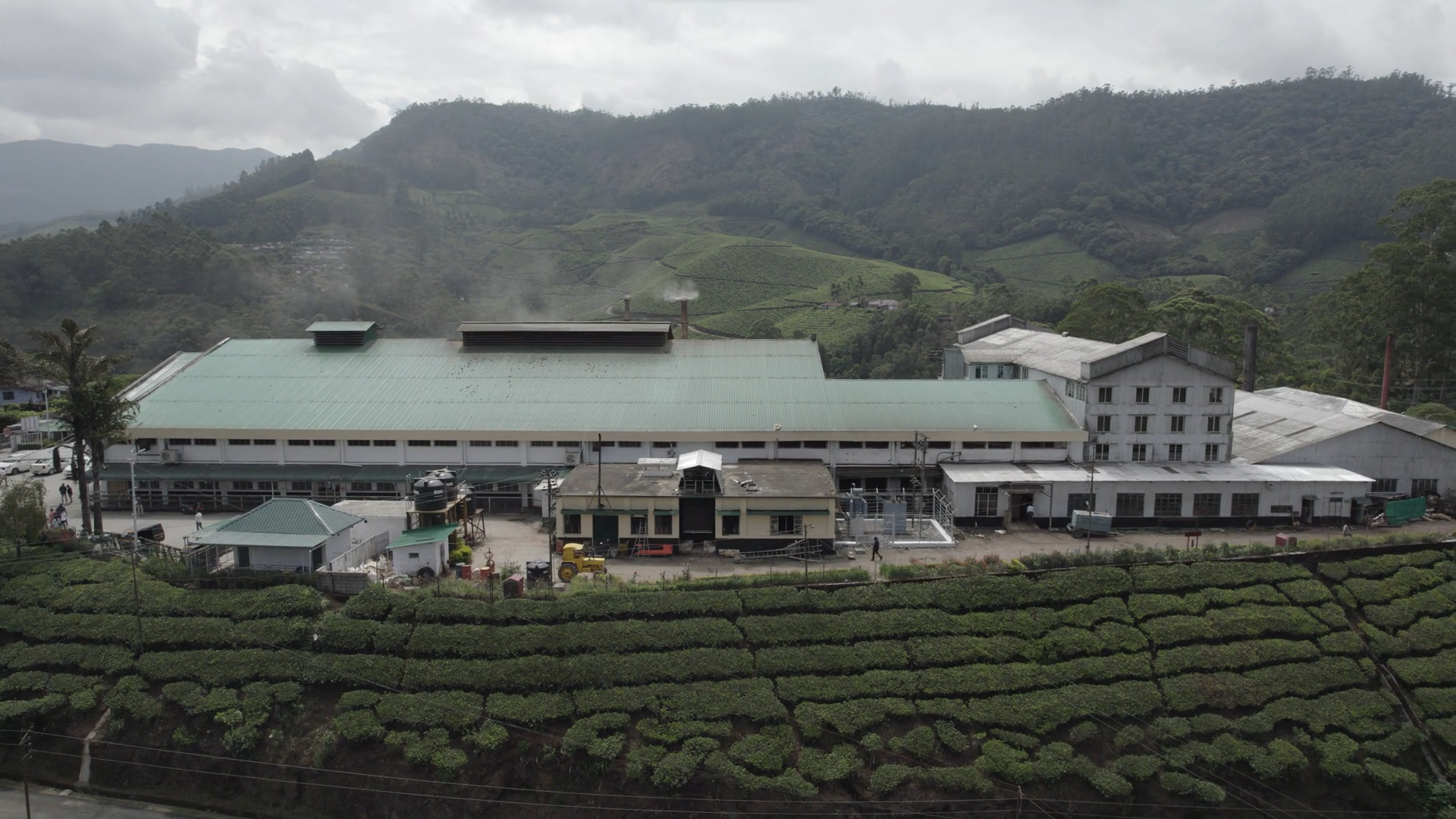
FACTORIES OPERATIONAL
About 16 fully equipped factories function on the estates. Transport of leaf from the field to the factory is by bullock-cart, which is to be replaced by tractors in the years to come.
1926
ROPEWAY FOR TRANSPORTATION
The Kundaly Valley Ropeway for transportation of tea and goods was completed at a cost of Rs 7.61 lakhs! The company started a Veterinary Department in the same year to improve the condition of the cattle in the High Range.
1928
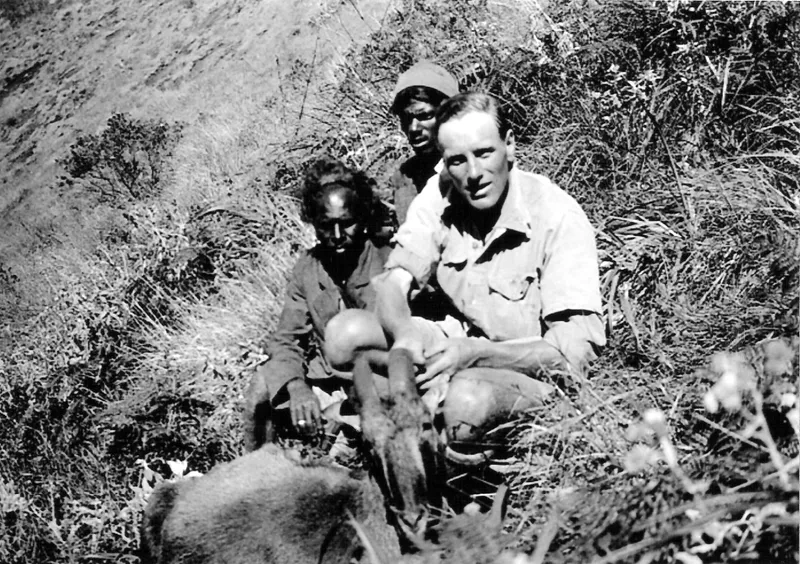
High Range Game Preservation Association
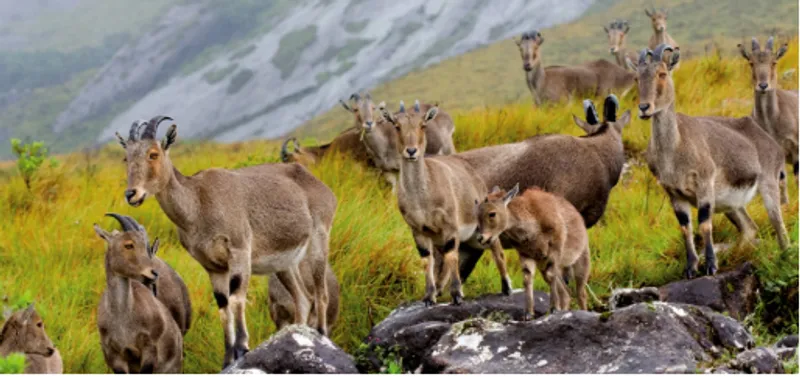
The High Range Game Preservation Association was formed by the planters to prevent indiscriminate hunting of animals and with a focus on Biodiversity conservation, wildlife management, habitat protection, and promoting sustainable environmental practices in Munnar and its surrounding areas. The Association was later rechristened as High Range Wildlife Preservation Association
1964
COLLABORATION WITH THE TATAS
In 1964, James Finlay & Co. partnered with the Tatas to establish the world’s largest Instant Tea Factory outside the USA at Nullatani Estate.
1976
TATA’S TAKE OVER BUSINESS
Tata’s purchase the complete business interests in India of the Finlay Group and Tata-Finlay Limited is born.
1978
Eravikulam area as a National Park
The High Range Game Preservation Association, the predecessor of the present day High Range Wildlife and Environmental Preservation Association, persuaded the Central Government to declare the Eravikulam area as a National Park – the only National Park of its kind in India, perhaps in the world, where an NGO actively and effectively collaborates with the Government in the joint management of the National Park.
1983
ASIA’S LARGEST SUPER TEA FACTORY
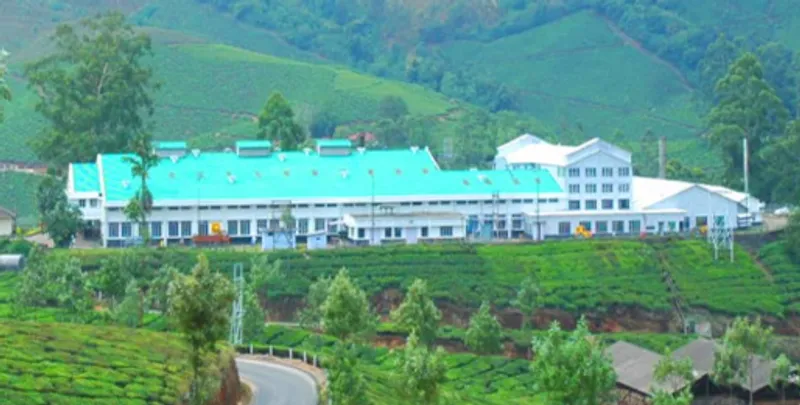
Tata Tea comes into being and sets up Asia’s largest Super Tea Factory in the mid-eighties at Chunduvurrai Estate.
1990
FULLY AUTOMATED TEA FACTORY
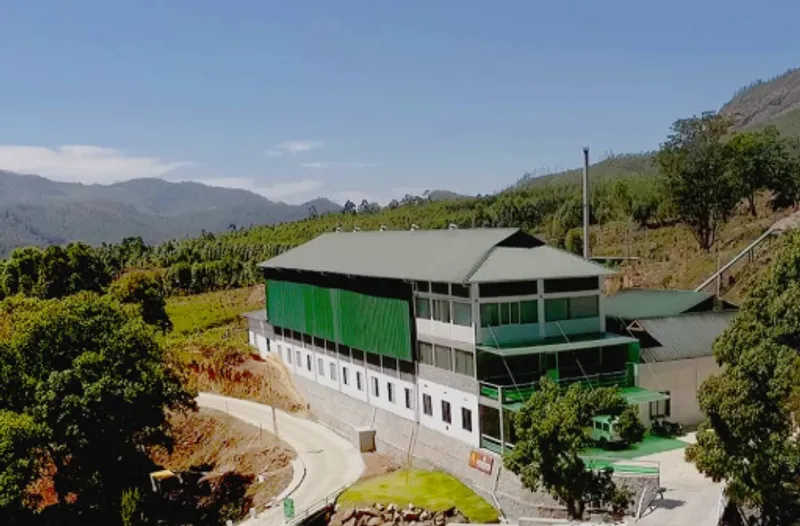
Tata Tea sets up a fully automated tea factory at Madupatty. The company also starts organic tea cultivation in Chunduvurrai Estate, with organic tea manufacture facility at Yellapatty Factory.
2005
The first and the largest participatory management company
Kanan Devan Hills Plantations Company Private Limited (KDHP), the first and the largest participatory management company in India with more than 12500 employees as shareholders took over the majority of tea plantations in Munnar from Tata Tea Limited, w.e.f. April 1st, 2005.
2005
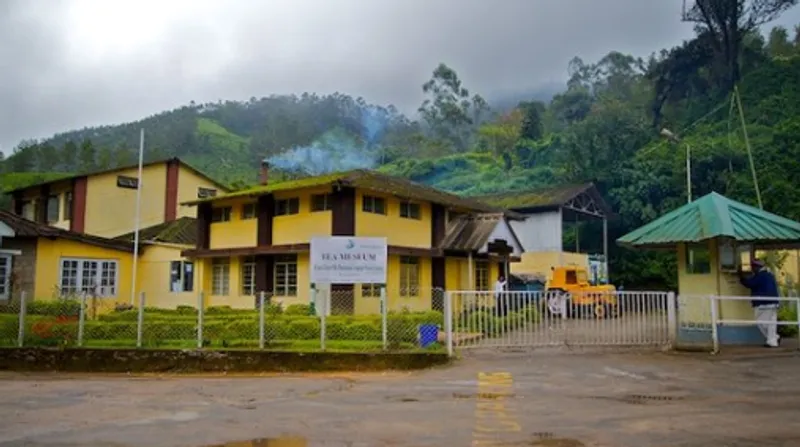
Inauguration of India’s first ever Tea Museum
Inauguration of India’s first ever Tea Museum was done along with the formation of KDHP. Officially known as the Tata Tea Museum, it is also popularly known as KDHP Tea Museum.
2006
KDHP ventures into a diversification
KDHP ventures into a diversification project under Kundaly Nature Extracts, with the aim of becoming an agri-corporate. KNE was started with the intention of cultivating medicinal and aromatic plants and extraction of oils, and subsequently the scope of operations included production of concretes and absolutes of floral crops such as Rose Damascena, Acacia Decurrens, Tube Rose, Jasmine Sambac, etc.
2010
Brand Ripple Tea
While primarily being a B2B player, KDHP launches its consumer brand Ripple Tea for distribution in retail outlets across Munnar. Supported by high offtake and local popularity owing to quality and tourism, Ripple Tea simultaneously expands to retail distribution across Kerala.
2012
Rainforest Alliance Certifications
KDHP takes a big step forward towards sustainably grown teas by getting certified by Rainforest Alliance. This is in addition to the USDA Organic certification for 300 acres of its plantations at Top Station and Fairtrade certification (Chundavurrai estate) since 2009. KDHP Teas obtain Trustea cerification in 2014.
2015
Launch of its e-commerce portal
With Ripple Tea’s success in Kerala, Ripple Tea goes national with the launch of its e-comm portal www.shop.kdhptea.com for distribution across
2018
ChaiBazaar outlets
Ripple Tea ventures into branded retail outlets with the launch of 3 ChaiBazaar outlets across Munnar. 17 factories and packaging units of KDHP gain FSSC 22000 and/or ISO 22000 certification.
2019
Franchise models for Chai Bazaar
KDHP takes a stride further in its branded retail outlet venture through a franchise model for its ChaiBazaar stores and opens an outlet in Kumily (Kerala, India)
2019
Global Tea Championship 2019
Ripple Tea wins big at the Global Tea Championship 2019 Fall Hot Loose Leaf Tea Competition held at Boulder, Colorado, USA. KDHP’s Ripple White Tea bagged the Silver Medal and was ranked No 1 in the Loose / White tea category.
2022
Carbon Neutral Certification
KDHP Company becomes the first large tea plantation company in India to be certified as carbon net negative and climate positive. A scientific survey by the Nansen Group of Norway in our plantations at Munnar, reported that the total amount of carbon sequestered from KDHP’s landscape was almost 4 times more than what it emitted.

1877
1880
1896
1900
1908
1915
1926
1928
1964
1976
1978
1983
1990
2005
2005
2006
2010
2012
2015
2018
2019
2019
2022











1877
1880
1896
1900
1908
1915
1926
1928
1964
1976
1978
1983
1990
2005
2005
2006
2010
2010
2012
2015
2018
2019
2019
2022
Brewed Stories & Insights
Discover the world of tea through stories, traditions, and expert insights crafted to inspire every sip.

Morning Mindfulness: 5 Reasons Green Tea Should Be Part of Your Everyday Routine

March 30 , 2025


The 5-Minute Meditation Using Silver Tips to Slow Down Your
March 30 , 2025


Low-Caffeine Teas Why White and Green Teas Are Great Coffee
January 1 , 2025


Meet You at the Chai Bazaar: Munnar’s Must-Visit Spot by Ripple Tea
August 28 , 2020

Strong, Medium, or Mild? Choosing the Right Tea for Your Mood
August 6, 2023

How Climate Change Affects Tea Cultivation
March 31, 2025

How to Store Ripple Teas for Freshness & Shelf Life?
September 18, 2021

Steaming Hot Masala Tea at Home: A Step‑by‑Step Guide with Ripple Black Masala Tea
April 29, 2024